Latest news
|
|
|
-
Monday, July 26, 2010
-
Friday, July 23, 2010
-
Tuesday, July 13, 2010
-
Monday, July 12, 2010
-
Thursday, July 08, 2010
|
|
|
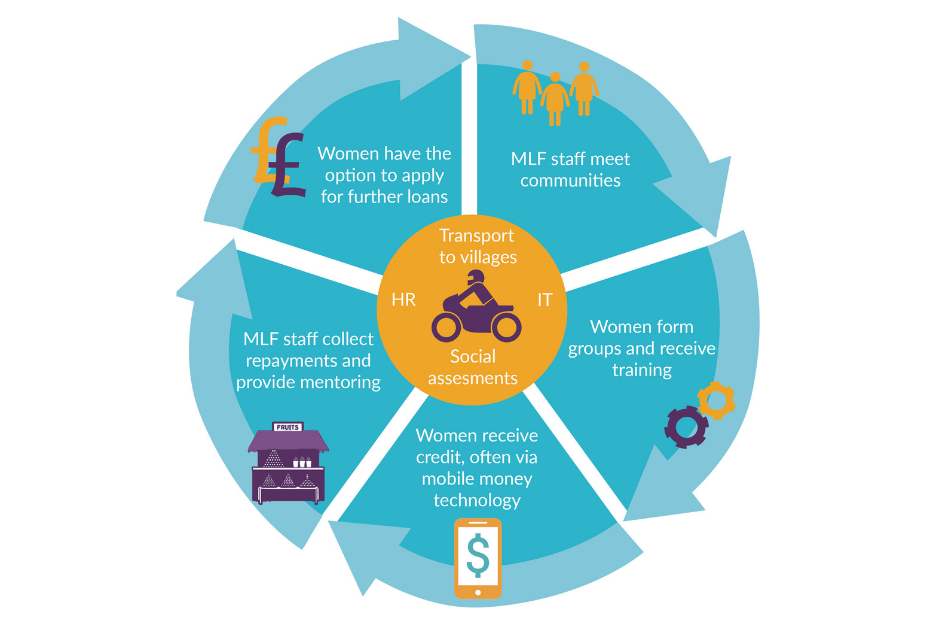
The Six Steps to Independence 1. Group formation
This takes place after a meeting with the Village Headman who is consulted before we start working in an area. Not only is his permission sought but he also helps select the women who will form the group. In each group, a chairlady, treasurer and secretary are appointed by vote.
2. Training for business and handling cash
A total of 8 training sessions that usually takes 6 weeks to complete prepares the group for running a business day to day. During this time, each member will decide on a business area and formulate a business plan.
3. Loan is disbursed
When the loan officer is satisfied that the group is ready, each member of the group receives an individual loan. They are collectively responsible for paying back the loan in fortnightly instalments. It is also a requirement that a certain percentage goes into their savings account which they can withdraw as they wish.
The rest of the money is profit to reinvest in their business or to spend on their homes and families.
4. Businesses are started by group members
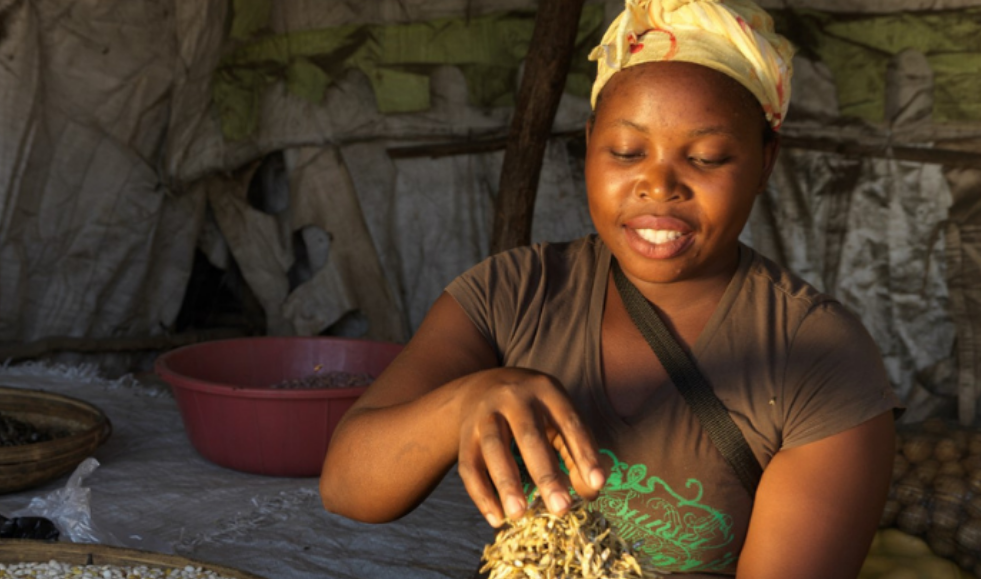
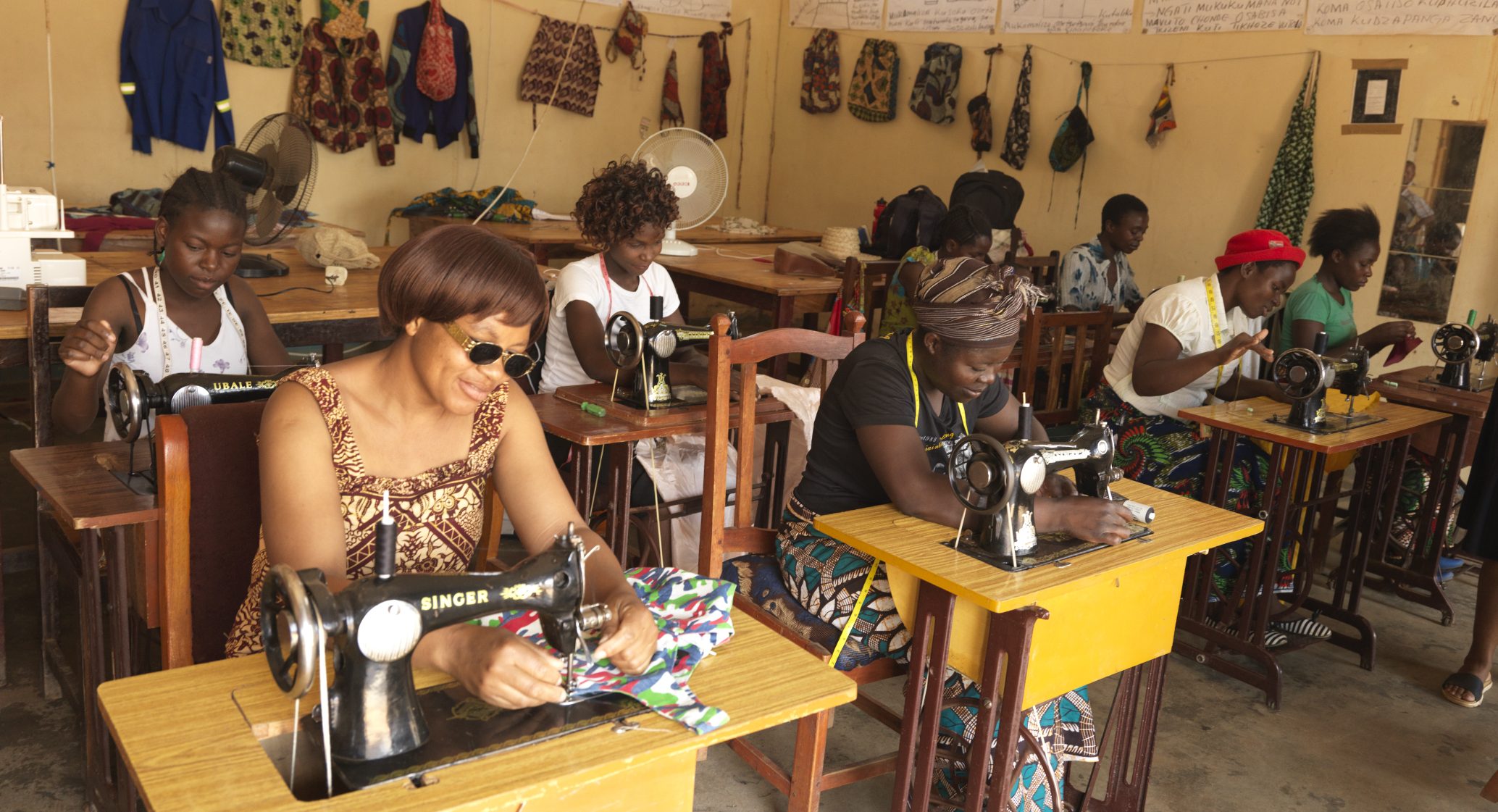
The typical businesses that we support include selling household provisions, clothes, food and drink, running grocery stores and small restaurants. Some clients have diversified their business because of the wet/dry season affecting supplies of certain goods.
| | 5. Fortnightly meetings to conduct repayments
The chairlady opens the meeting,
usually with a prayer, and the treasurer is responsible for collecting and
counting the money from the group. She
and one other group member will then make a trip to the bank to pay in the
money, depositing the receipt at their local MicroLoan Foundation branch
office.
The loan officer is there to
supervise, offer advice and verify the amount that is being repaid although
he/she does not conduct the meeting.
When business is not going well or members fall behind with repayments
for other reasons, it is the loan officer’s responsibility to help get things
back on track.
6.
Clients can apply for larger loans to help their businesses grow
The loan cycle ends when the total
amount has been repaid by the group, normally after four months. Many clients start to employ others to help run their business including their husbands who in our experience are very willing to become involved. Over time, businesses grow, profits increase and the poverty cycle is broken.
|
|
|